
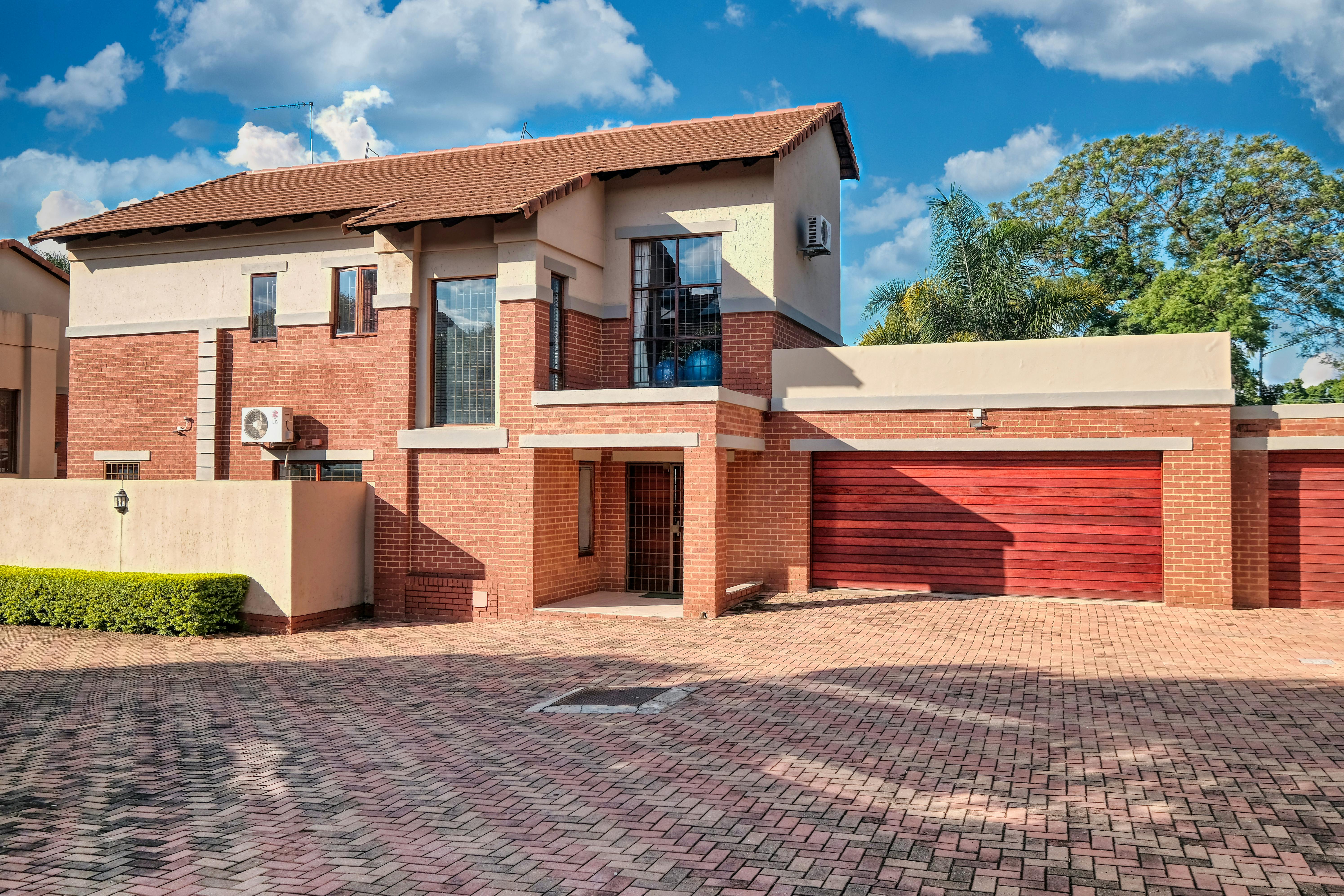
Choosing between an investment property or first home
Buying property can feel overwhelming, especially if it’s your first time. There are several stages involved — research, planning, financing, and finally purchasing. But before any of that, there’s one key question:
Should I buy a home to live in or an investment property to rent out?
Understanding the differences — and the financial implications — can help you make a confident decision.
Principal Place of Residence (PPOR)
Your principal place of residence (PPOR) is the home where you live most of the time.
It’s more than just an asset — it’s where life happens. A PPOR offers:
-
Stability and security
-
Emotional value
-
Personal comfort
-
Long-term ownership
When buying a home to live in, the focus is typically on affordability and lifestyle rather than financial returns.
Investment Property (IP)
An investment property (IP) is purchased to generate rental income and/or capital growth. You won’t live in it — instead, you rent it out.
When managed properly, property investment can:
-
Generate rental income
-
Appreciate in value over time
-
Offer tax benefits
-
Build long-term wealth
This is often considered “good debt” because the asset has income-producing potential.
Key Financial Considerations
Your decision ultimately depends on your financial position, life goals, and repayment capacity. Let’s break down the major factors.
1️⃣ Interest Rates & Repayments
Owner-occupier loans (PPOR):
-
Usually come with lower interest rates
-
Typically structured as principal + interest repayments
-
Designed to help you own your home outright over time
Investment loans:
-
Often have slightly higher interest rates
-
May offer interest-only options (popular for improving short-term cash flow)
-
Rental income can help offset repayments
2️⃣ Ongoing Costs
PPOR Costs:
-
Utilities
-
Council rates
-
Insurance
-
Maintenance
Investment Property Costs:
-
All of the above
-
Property management fees
-
Higher insurance premiums
-
Potential tenant-related wear and tear
-
Possible vacancy periods
3️⃣ Cash Flow
A home you live in is a personal expense. You rely fully on your income to cover repayments.
An investment property can be:
-
Positively geared – Rental income exceeds expenses (positive cash flow)
-
Negatively geared – Expenses exceed rental income (you cover the shortfall)
Vacancy periods can impact cash flow, so having savings or an emergency fund is essential.
4️⃣ Government Grants & Incentives
First home buyers may qualify for:
-
First Home Owner Grant
-
Home Guarantee Scheme
-
First Home Super Saver Scheme
These incentives can significantly reduce upfront costs.
Investors, on the other hand, may benefit from:
-
Tax deductions on depreciation
-
Claiming property-related expenses
-
Offsetting rental losses against taxable income
5️⃣ Tax Considerations
PPOR:
-
Exempt from Capital Gains Tax when sold (if it’s your main residence)
-
No deductions for interest or maintenance
Investment Property:
-
Rental income is taxable
-
Expenses are deductible
-
CGT applies when sold
-
50% CGT discount if held for more than 12 months
Lifestyle & Long-Term Goals
Your choice also depends on where you see yourself in 5–10 years.
Choose a PPOR if:
-
You want stability
-
You’re planning to settle down
-
You value emotional ownership
-
You want control over your living space
Choose an Investment Property if:
-
You want to build wealth
-
You’re comfortable renting where you live
-
You want flexibility
Some buyers choose a strategy called Rentvesting — buying an investment property while continuing to rent in their preferred lifestyle location.
You may even convert an investment property into your PPOR later.
Final Thoughts
There’s no one-size-fits-all answer.
The right decision depends on:
-
Your income stability
-
Your borrowing capacity
-
Your long-term financial vision
-
Your lifestyle priorities
Whatever you choose, ensure it aligns with your future goals — whether that’s building a family home or building wealth through strategic investment.